State of North Carolina
Wake County
Before the Disciplinary Hearing Commission of the North Carolina State Bar
06 DHC 35
The North Carolina State Bar, Plaintiff
V
Michael B. Nifong, Attorney, Defendant
Findings of Fact, Conclusions of Law, and Order of Discipline
A hearing in this matter was conducted on June 12 through June 16, 2007, before a Hearing Committee composed of F. Lane Williamson, Chair, and members Sharon B. Alexander and R. Mitchel Tyler. Plaintiff, the North Carolina State Bar, was represented by Katherine E. Jean, Douglas J. Brocker, and Carmen K. Hoyme. Defendant, Michael B. Nifong, was represented by attorneys David B. Freedman and Dudley A. Witt, Based upon the admissions contained in the pleadings and upon the evidence presented at the hearing, this Hearing Committee makes, by clear, cogent and convincing evidence, the following
FINDINGS OF FACT
1. Plaintiff, the North Carolina State Bar, is a body duly organized under the laws of North. Carolina and is the proper party to bring this proceeding under the authority granted it in Chapter 84 of the General Statutes of North Carolina, and the Rules and Regulations of the North Carolina State Bar (Chapter 1 of Title 27 of the North Carolina Administrative Code).
2. Defendant, Michael B. Nifong, (hereinafter "Nifong"), was admitted to the North Carolina State Bar on August 19, 1978, and is, and was at all times referred to herein, an attorney at law licensed to practice in North Carolina, subject to the laws of the State of North Carolina, the Rules and Regulations of the North Carolina State Bar and the Revised Rules of Professional Conduct.
3. During all times relevant to this complaint, Nifong actively engaged in the practice of law in the State of North Carolina as District Attorney for the Fourteenth Prosecutorial District in Durham County , North Carolina.
4. Nifong was appointed District Attorney in 2005. In late March 2006, Nifong was engaged in a highly-contested political campaign to retain his office.
5. In the early morning hours of March 14, 2006, an exotic dancer named Crystal Mangum reported that she had been raped by three men during a party at 610 North Buchanan Boulevard in Durham. Ms. Mangum asserted that she had been vaginally, rectally, and orally penetrated with no condom used during the assault and with at least some of the alleged perpetrators ejaculating.
6. Various pieces of evidence were collected for later DNA testing, including evidence commonly referred to as a "rape kit," which contained cheek scrapings, oral, vaginal, and rectal swabs, a pubic hair combing, and a pair of Ms. Mangum's underwear.
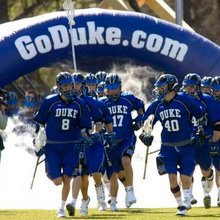
7. The Durham Police Department (DPD) initiated an investigation in what would come to be known as "the Duke Lacrosse case" and executed a search warrant on the house at 610 North Buchanan Boulevard on March 16, 2006. The investigation revealed that the residents of 610 North Buchanan were captains of the Duke University lacrosse team, and that a majority of the other attendees at the March 13, 2006, party were members of the team.
8. On March 16, 2006, the three residents of 610 North Buchanan voluntarily assisted DPD in executing a search warrant at their residence. During the search, numerous pieces of evidence were seized for later testing. The three residents also provided voluntary statements and voluntarily submitted DNA samples for comparison testing purposes. One of the three residents was David Evans, who was later indicted for the alleged attack on Ms. Mangum.
9. On March 22, 2006, Nifong's office assisted a DPD investigator in obtaining a Nontestimonial Identification Order (NTO) to compel the suspects in the case to be photographed and to provide DNA samples.
10. On March 23, 2006, DNA samples from all 46 Caucasian members of the Duke University 2006 Men's Lacrosse Team were obtained pursuant to the NTO.
11. When Nifong learned of the case on March 24, 2006, he immediately recognized that the case would gamer significant media attention and decided to handle the case himself, rather than having it handled by the assistant district attorney in his office who would ordinarily handle such cases.
12. On March 24, 2006, Nifong informed DPD that he was assuming primary responsibility for prosecuting any criminal charges resulting from the investigation and directed the DPD to go through him for direction as to the conduct of the factual investigation of those matters.
13. On March 27, 2006, the rape kit items and DNA samples from the lacrosse players were delivered to the State Bureau of Investigation (SBI) lab for testing and examination, including DNA testing.
14. On March 27, 2006, Nifong was briefed by Sergeant Gottlieb and Investigator Himan of the DPD about the status of the investigation to date. Gottlieb and Himan discussed with. Nifong a number of weaknesses in the case, including that Ms. Mangum had made inconsistent statements to the police and had changed her story several times, that the other dancer who was present at the party during the alleged attack disputed Ms. Mangum's story of an alleged assault, that Ms. Mangum had already viewed two photo arrays and had not identified any alleged attackers, and that the three team captains had voluntarily cooperated with police and had denied that the alleged attack occurred.
15. During or within a few days of the initial briefing by Gottlieb and Himan, Nifong acknowledged to Gottlieb and Himan that the Duke Lacrosse case would be a very hard case to win in court and said "you know, we're fucked."
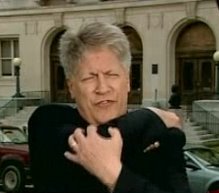
16. Beginning on March 27, within hours after he received the initial briefing from Gottlieb and Himan, Nifong made public comments and statements to representatives of the news media about the Duke Lacrosse case and participated in interviews with various newspapers and television stations and other representatives of news media.
17. Between March 27 and March 31, Nifong stated to a reporter for WRAL TV news that lacrosse team members denied the rape accusations, that team members admitted that there was underage drinking at the party, and that otherwise team members were not cooperating with authorities.
18. Between March 27 and March 31, 2006, Nifong stated to a reporter for ABC 11 TV News that he might also consider charging other players for not coming forward with information, stating "[m]y guess is that some of this stonewall of silence that we have seen may tend to crumble once charges start to come out."
19. Between March 27 and March 31, 2006, Nifong stated to a reporter for the New York Times, "There are three people who went into the bathroom with the young lady, and whether the other people there knew what was going on at the time, they do now and have not come forward. I'm disappointed that no one has been enough of a man to come forward. And if they would have spoken up at the time, this may never have happened."
20. Between March 27 and March 31, 2006, Nifong stated to a reporter for NBC 17 News that the lacrosse team members were standing together and refusing to talk with investigators and that he might bring aiding-and-abetting charges against some of the players who were not cooperating with the investigation.
21. Between March 27 and March 31, 2006, Nifong stated to a reporter for the Durham Herald Sun newspaper that lacrosse players still refused to speak with investigators.
22. Between March 27 and March 31, 2006, Nifong made the following statements to Rene Syler of CBS News: "The lacrosse team, clearly, has not been fully cooperative" in the investigation; "The university, I believe, has done pretty much everything that they can under the circumstances. They, obviously, don't have a lot of control over whether or note the lacrosse team members actually speak to the police. I think that their silence is as a result of advice with counsel"; "If it's not the way it's been reported, then why are they so unwilling to tell us what, in their words, did take place that night?"; that he believed a crime occurred; that "the guilty will stand trial"; and "There's no doubt a sexual assault took place."
23. Between March 27 and March 31, 2006, Nifong made the following statements to a reporter for NBC 17 TV News: "The information that I have does lead me to conclude that a rape did occur"; "I'm making a statement to the Durham community and, as a citizen of Durham, I am making a statement for the Durham community. This is not the kind of activity we condone, and it must be dealt with quickly and harshly"; "The circumstances of the rape indicated a deep racial motivation for some of the things that were done. It makes a crime that is by its nature one of the most offensive and invasive even more so"; and "This is not a case of people drinking and it getting out of hand from that. This is something much, much beyond that."
24. Between March 27 and March 31, 2006, Nifong stated to a reporter for ESPN, "And one would wonder why one needs an attorney if one was not charged and had not done anything wrong."
25. Between March 27 and March 31, 2006, Nifong stated to reporter for CBS News that "the investigation at that time was certainly consistent with a sexual assault having taken place, as was the victim's demeanor at the time of the examination."
26. Between March 27 and March 31, 2006, Nifong made the following statements to a reporter for MSNBC: "There is evidence of trauma in the victim's vaginal area that was noted when she was examined by a nurse at the hospital"; "her general demeanor was suggested-suggestive of the fact that she had been through a traumatic situation"; "I am convinced there was a rape, yes, sir"; and "The circumstances of the case are not suggestive of the alternate explanation that has been suggested by some of the members of the situation."
27. Between March 27 and March 31, 2006, Nifong stated to a reporter for the Raleigh News and Observer newspaper, "1 am satisfied that she was sexually assaulted at this residence."
28. Between March 27 and March 31, 2006, Nifong stated to a reporter for the USA Today newspaper, "Somebody's wrong about that sexual assault. Either I'm wrong, or they're not telling the truth about it."
29. Between March 27 and March 31, 2006, Nifong made the following statements to a reporter for ABC 11 TV News: "I don't think you can classify anything about what went on as a pranx that got out of hand or drinking that took place by people who are underage"; "In this case, where you have the act of rape � essentially a gang rape � is bad enough in and of itself, but when it's made with racial epithets against the victim, I mean, it's just absolutely unconscionable"; and "The contempt that was shown for the victim, based on her race was totally abhorrent. It adds another layer of reprehensibleness, to a crime that is already reprehensible."
30. Between March 27 and March 31, 2006, Nifong stated to a reporter for ABC News, "It is a case that talks about what this community stands for."
31. Between March 27 and March 31, 2006, Nifong stated to a reporter for the New York Times, "The thing that most of us found so abhorrent, and the reason I decided to take it over myself, was the combination gang-like rape activity accompanied by the racial slurs and general racial hostility."
32. Between March 27 and March 31, 2006, Nifong stated to a reporter for CBS News, "The racial slurs involved are relevant to show the mindset .. involved in this particular attack" and "obviously, it made what is already an extremely reprehensible act even more reprehensible."
33. Between March 27 and March 31, 2006, Nifong stated to a reporter for WRAI, TV News, "What happened here was one of the worst things that's happened since I have become district attorney" and "[w]hen I look at what happened, I was appalled. I think that most people in this community are appalled."
34. On or after March 27, 2006, Nifong stated to a reporter for the Charlotte Observer newspaper, "I would not be surprised if condoms were used. Probably an exotic dancer would not be your first choice for unprotected sex."
35. On or about March 29, 2006, Nifong stated during an interview with a reporter for CNN that lilt just seems like a shame that they are not willing to violate this seeming sacred sense of loyalty to team for loyalty to community."
36. On March 30, 2006, the SBI notified Nifong that the SBI had examined the items from the rape kit and was unable to find any semen, blood, or saliva on any of those items.
37. On March 31, 2006, Nifong stated to a reporter for MSNBC, "Somebody had an arm around her like this, which she then had to struggle with in order to be able to breathe . . . She was struggling just to be able to breathe" and "Rif a condom were used, then we might expect that there would not be any DNA evidence recovered from say a vaginal swab."
38. In March or April, 2006, Nifong stated to a representative of the news media that a rape examination of Ms. Mangum done at Duke Medical Center the morning of the alleged attack revealed evidence of bruising consistent with a brutal sexual assault, "with the most likely place it happened at the lacrosse team party."
39. In April 2006, Nifong stated to a reporter for Newsweek Magazine that the police took Ms. Mangum to a hospital where a nurse concluded that she had suffered injuries consistent with a sexual assault.
40. In April 2006, Nifong stated to a reporter for the Raleigh . News and Observer newspaper, "I would like to think that somebody [not involved in the attack] has the human decency to call up and say, 'What am I doing covering up for a bunch of hooligans?'
41. In April 2006, Nifong stated to a reporter, "They don't want to admit to the enormity of what they have done."
42. In an April 2006 conversation with a representative of the Raleigh News and Observer newspaper, Nifong compared the alleged rape to the quadruple homicide at Alpine Road Townhouse and multiple cross burnings that outraged the city of Durham in 2005 and stated "I'm not going to let Durham's view in the minds of the world to be a bunch of lacrosse players from Duke raping a black girl in Durham."
43. On April 4, 2006, DPD conducted a photographic identification procedure in which photographs of 46 members of the Duke Lacrosse team were shown to Ms. Mangum. Ms. Mangum was told at the beginning of the procedure that DPD had reason to believe all 46 of the men depicted in the photographs she would view were present at the party at which she contended the attack had occurred. The procedure followed in this photographic identification procedure was conceived and/or approved by Nifong. During the photographic identification procedure, Ms. Mangum identified Collin Finnerty and Reade Seligman as her attackers with "100% certainty" and identified David Evans as one of her attackers with "90% certainty." Ms. Mangum had previously viewed photographic identification procedures which included photographs of Collin Finnerty and David Evans and not identified either of them in the prior procedures.
44. On April 5, 2006, Nifong's office sought and obtained an Order permitting transfer of the rape kit items from the SBI to a private company called DNA Security, Inc. ("DSI") for more sensitive DNA testing than the SBI could perform. The reference DNA specimens obtained from the lacrosse players pursuant to the NTO were also transferred to DSI for testing, as were reference specimens from several other individuals with whom Ms. Mangum acknowledged having consensual sexual relations, including her boyfriend.
45. As justification for its Order permitting transfer of the evidence to DSI, the Court noted that the additional testing Nifong's office sought in its petition was "believed to be material and relevant to this investigation, and that any male cells found among the victim's swabs from the rape kit can be evidence of an assault and may lead to the identification of the perpetrator."
46. Between April 7 and April 10, 2006, DSI performed testing and analysis of DNA found on the rape kit items. Between April 7 and April 10, DSI found DNA from up to four different males on several items of evidence from the rape kit and found that the male DNA on the rape kit items was inconsistent with the profiles of the lacrosse team members.
47. During a meeting on April 10, 2006 among Nifong, two DPD officers and Dr. Brian Meehan, lab director for DSI, Dr. Meehan discussed with Nifong the results of the analyses performed by DSI to that point and explained that DSI had found DNA from up to four different males on several items of evidence from the rape kit and that the DNA on the rape kit items was inconsistent with the profiles of all lacrosse team members.
48. The evidence and information referred to above in paragraphs 46 and 47 was evidence or information which tended to negate the guilt of the lacrosse team members identified as suspects in the NTO.
49. After the April 10, 2006 meeting with Dr. Meehan, Nifong stated to a reporter for ABC 11 TV News that DNA testing other than that performed by the SBI had not yet come back and that there was other evidence, including the accuser being able to identify at least one of the alleged attackers.
50. While discussing DNA testing at a public forum at North Carolina Central University on April 11, 2006, in the presence of representatives of the news media, Nifong stated that if there was no DNA found "fi]t doesn't mean nothing happened. It just means nothing was left behind."
51. On April 17, 2006, Nifong sought and obtained indictments against Collin Finnerty and Reade Seligman for first-degree rape, first-degree sex offense, and kidnapping. (The indicted members of the Duke lacrosse team are referred to collectively herein as "the Duke Defendants").
52. Before April 17, 2006, Nifong refused offers from counsel for David Evans, who was eventually indicted, to consider evidence and information that they contended either provided an alibi or otherwise demonstrated that their client did not commit any crime.
53. On April 19, 2006, two days after being indicted, Duke Defendant Reade Seligman through counsel served Nifong with a request or motion for discovery material, including, inter alia, witness statements, the results of any tests, all DNA analysis, and any exculpatory information.
54. - By April 20, 2006, DSI had performed additional DNA testing and analysis and found DNA from multiple males on at least one additional piece of evidence from the rape kit.
55, By April 20, 2006, from its testing and analysis, DSI had determined that all the lacrosse players, including the two who had already been indicted, were scientifically excluded as possible contributors of the DNA from multiple males found on several evidence items from the rape kit.
56. On April 21, 2006, Nifong again met with Dr. Meehan and the two DPD officers to discuss all of the results of the DNA testing and analyses performed by DSI to date. During this meeting, Dr. Meehan told Nifong that: (a) DNA from multiple males had been found on several items from the rape kit, and (b) all of the lacrosse players, including the two players against whom Nifong had already sought and obtained indictments, were excluded as possible contributors of this DNA because none of their DNA profiles matched or were consistent with any of the DNA found on the rape kit items.
57. The evidence and information referred to above in paragraphs 54 through 56 was evidence or information which tended to negate the guilt of the Duke Defendants.
58. At the April 21 meeting, Dr. Meehan told Nifong that DSI's testing had revealed DNA on two fingernail specimens that were incomplete but were consistent with the DNA profiles of two un-indicted lacrosse players, including DNA on a fingernail found in David Evans' garbage can which incomplete but which was consistent with David Evans' DNA profile, and DNA from the vaginal swab that was consistent with the DNA profile of Ms. Mangum's boyfriend.
59. During the April 21, 2006 meeting, Nifong notified Dr. Meehan that he would require a written report to be produced concerning DSI's testing that reflected the matches found between DNA on evidence items and known reference specimens. Nifong told Dr. Meehan he would let Dr. Meehan know when he needed the report.
60. Sometime between April 21 and May 12, Nifong notified Dr. Meehan that he would need for him to prepare the written report for an upcoming court proceeding. As requested by Nifong, Dr. Meehan prepared a report that reflected the matches found by DSI between DNA found on evidence items and known reference specimens. This written report did not reflect that DSI had found DNA on rape kit items from multiple males who had not provided reference specimens for comparison ("multiple unidentified males") and did not reflect that all 46 members of the lacrosse team had been scientifically excluded as possible contributors of the male DNA on the rape kit items.
61. In May, 2006, Nifong made the following statements to a reporter for WRAL TV News: "My guess is that there are many questions that many people are asking that they would not be asking if they saw the results"; "They're not things that the defense releases unless they unquestionably support their positions"; and "So, the fact that they're making statements about what the reports are saying, and not actually showing the reports, should in and of itself raise some red flags."
62. On or before April 18, 2006, Nifong stated to a reporter for Newsweek Magazine that the victim's "impaired state was not necessarily voluntary . . . [I)f I had a witness who saw her right before this and she was not intoxicated, and then I had a witness who said that she was given a drink at the party and after taking a few sips of that drink acted in a particular way, that could be evidence of something other than intoxication, or at least other than voluntary intoxication?"
63. On May 12, 2006, Nifong again met with Dr. Meehan and two DPD officers and discussed the results of DST's testing to date. During that meeting, consistent with Nifong's prior request, Dr. Meehan provided Nifong a 10-page written report which set forth the results of DNA tests on only the three evidence specimens that contained DNA consistent with DNA profiles from several known reference specimens. The three items in DSI's written report concerned DNA profiles on two fingernail specimens that were incomplete but were consistent with the DNA profiles of two unindicted lacrosse players, including DNA on a fingernail found in David Evans' garbage can which was incomplete but was consistent with David Evans' DNA profile, and DNA from the vaginal swab that was consistent with the DNA profile of Ms. Mangum's boyfriend. DSI's written report did not disclose the existence of any of the multiple unidentified male DNA found on the rape kit items, although it did list the evidence items on which the unidentified DNA had been discovered.
64. Nifong personally received DSI's written report from Dr. Meehan on May 12, 2006, and later that day provided it to counsel for the two Duke Defendants who had been indicted and for David Evans, among others.
65. When he received DSI's written report and provided it to counsel for the Duke Defendants, Nifong was fully aware of the test results that were omitted from the written report, including the test results revealing the existence of DNA from multiple unidentified males on rape kit items.
66. Three days later, on May 15, 2006, Nifong sought and obtained an indictment against David Evans for first-degree rape, first-degree sex offense, and kidnapping.
67. On-May 17, Duke Defendant Collin Finnerty served discovery requests on Nifong, which specifically asked that any expert witness "prepare, and furnish to the defendant, a report of the results of any (not only the ones about which the expert expects to testify) examinations or tests conducted by the expert."
68. On May 18, 2006, Nifong provided various discovery materials to all three Duke Defendants, including another copy of DSI's written report, in connection with a hearing in the case on that same day. The discovery materials Nifong provided on May 18 did not include any underlying data or information concerning DSI's testing and analysis. The materials Nifong provided also did not include any documentation or information indicating the presence of DNA from multiple unidentified males on the rape kit items. Nifong also did not provide in the discovery materials any written or recorded memorialization of the substance of Dr. Meehan's oral statements made during his meetings with Nifong in April and May 2006 concerning the results of all DSI's tests and examinations, including the existence of DNA from multiple unidentified males on the rape kit items ("memorializations of Dr. Meehan's oral statements").
69. DSI's tests and examinations revealing the existence of DNA from multiple unidentified males on rape kit items and Dr. Meehan's oral statements regarding the existence of that DNA were evidence that tended to negate the guilt of the accused; Collin Finnerty, Reade Seligman and David Evans.
70. Accompanying the discovery materials, Nifong served and filed with the Court written responses to the Duke Defendants' discovery requests. In these responses, Nifong stated: "The State is not aware of any additional material or information which may be exculpatory in nature with respect to the Defendant." In his written discovery responses, Nifong also identified Dr. Meehan and R.W. Scales, another person at DSI, as expert witnesses reasonably expected to testify at the trial of the underlying criminal cases pursuant to N.C. Gen. Stat. � 15A-90.3(a)(2), Nifong also gave notice in the written discovery responses of the State's intent to introduce scientific data accompanied by expert testimony. Nifong represented in the written discovery responses that all of the reports of those experts had been provided to the Duke Defendants.
71. At the time he made these representations to the Court and to the Duke Defendants in his written discovery responses, Nifong was aware of the existence of DNA from multiple unidentified males on the rape kits items, was aware that DSI's written report did not reveal the existence of this evidence, and was aware that he had not provided the Duke Defendants with memorializations of Dr. Meehan's oral statements regarding the existence of this evidence.
72. The representations contained in Nifong's May 18 written discovery responses were intentional misrepresentations and intentional false statements of material fact to opposing counsel and to the Court.
73. At the May 18, 2006 hearing, the Honorable Ronald Stephens, Superior Court Judge presiding, asked Nifong if he had provided the Duke Defendants all discovery materials.
74. In response to Judge Stephens' inquiry, Nifong stated: "I've turned over everything I have."
75. Nifong's response to Judge Stephens' question was a misrepresentation and a false statement of material fact.
76. On June 19, 2006, Nifong issued a press release to representatives of the news media stating, "None of the 'facts' I know at this time, indeed, none of the evidence 1 have seen from any source, has changed the opinion that 1 expressed initially."
77. On June 19, 2006, counsel for the Duke Defendants requested various materials from. Nifong, including a report or written statement of the meeting between Nifong and Dr. Meehan to discuss the DNA test results. This request was addressed at a hearing before Judge Stephens on June 22, 2006.
78. In response to the Duke Defendants' June 19 discovery request and in response to Judge Stephens' direct inquiry, Nifong stated in open court that, other than what was contained in DSI's written report, all of his communications with Dr. Meehan were privileged "work product." Nifong represented to Judge Stephens, "That's pretty much correct, your Honor. We received the reports, which [defense counsel] has received, and we talked about how we would likely use that, and that's what we did."
79. At the time Nifong made these representations to Judge Stephens on June 22, Nifong knew that he had discussed with Dr. Meehan on three occasions the existence of DNA from multiple unidentified males on the rape kits items, which evidence was not disclosed in DSI's written report, and knew that Dr. Meehan's statements to him revealing the existence of DNA from multiple unidentified males on the rape kits items were not privileged work product.
80. Nifong's representations to Judge Stephens at the June 22 hearing were intentional misrepresentations and intentional false statements of material fact to the Court and to opposing counsel.
81. During the June 22 hearing, Judge Stephens entered an Order directing Nifong to provide Collin Finnerty and later all the Duke Defendants with, among other things, "results of tests and examinations, or any other matter or evidence obtained during the investigation of the offenses alleged to have been committed by the defendant" and statements of any witnesses taken during the investigation, with oral statements to be reduced to written or recorded form.
82. Nifong did not provide the Duke Defendants with "results of tests and examinations, or any other matter or evidence obtained during the investigation of the offenses alleged to have been committed by the defendant" and did not provide the Duke Defendants with statements of any witnesses taken during the investigation, with oral statements reduced to written or recorded form.
83. Nifong did not comply with Judge Stephens' June 22 Order.
84. On August 31, 2006, the Duke Defendants collectively filed a Joint Omnibus Motion to Compel Discovery seeking, among other things, the complete file and all underlying data regarding DSI's work and the substance of any discoverable comments made by Dr. Meehan during his meetings with Nifong and two DPD officers on April 10, April 21, and May 12, 2006. The Joint Omnibus Motion was addressed by the Honorable Osmond W. Smith III, Superior Court Judge presiding, at a hearing on September 22, 2006.
85. At the September 22 hearing, counsel for the Duke Defendants specifically stated in open court that the Duke Defendants were seeking the results of any tests finding any additional DNA on Ms. Mangum even if it did not match any of the Duke Defendants or other individuals for whom the State had provided reference DNA specimens for comparison.
86. In response to a direct question from Judge Smith, Nifong represented that DST's written report encompassed all tests performed by DSI and everything discussed at his meetings with Dr. Meehan in April and May 2006. The following exchange occurred immediately thereafter on the Duke Defendants' request for memorializations of Dr. Meehan's oral statements:
Judge Smith: "So you represent there arc no other statements from Dr. Meehan?"
Mr. Nifong: "No other statements. No other statements made to me."
87. At the time Nifong made these representations to Judge Smith, he was aware that Dr. Meehan had told him in their meetings about the existence of DNA from multiple unidentified males on the rape kit items, was aware that he had not provided the Duke Defendants with a written or recorded memorialization of Dr. Meehan's statements and was aware that the existence of that DNA was not revealed in DSI's written report.
88. Nifong's statements and responses to Judge Smith at the September 22 hearing were intentional misrepresentations and intentional false statements of material fact to the Court and to opposing counsel.
89. On September 22, Judge Smith ordered Nifong to provide the Duke Defendants the complete files and underlying data from both the SBI and DST by October 20, 2006.
90. On October 19, 2006 counsel for David Evans faxed to Nifong a proposed order reflecting Judge Smith's September 22 ruling. The proposed order stated, in paragraph 4, "Regarding the defendants' request for a report of statements made by Dr. Brian Meehan of DNA Security, Inc., during two separate meetings among Dr. Meehan, District Attorney Mike Nifong, Sgt. Mark Gottlieb, and Inv. Benjamin Himan in April 2006 . . Mr. Nifong represented that those meetings involved the State's request for YSTR testing, Dr. Meehan's report of the results of those tests, and a discussion of how the State intended to use those results in the course of the trial of these matters. Mr. Nifong indicated that he did not discuss the facts of the case with Dr. Meehan and that Dr. Meehan said nothing during those meetings beyond what was encompassed in the final report of DNA Security, dated May 12, 2006. The Court accepted Mr. Nifong's representation about those meetings and held that there were no additional discoverable statements by Dr. Meehan for the State to produce."
91. On October 24, 2006, Nifong responded by letter to defense counsel's October 19, 2006 letter and proposed order. In his response, Nifong identified two changes he believed were appropriate to two portions of the proposed order, made no mention of any changes he believed were appropriate to paragraph 4, and said "the proposed order seems satisfactory" and "it seems to reflect with acceptable accuracy the rulings of Judge Smith on September 22."
92. On October 27, 2006, Nifong provided 1,844 pages of underlying documents and materials from DSI to the Duke Defendants pursuant to the Court's September 22, 2006 Order but did not provide the Duke Defendants a complete written report from DSI setting forth the results of all of its tests and examinations, including the existence of DNA from multiple unidentified males on the rape kit items, and did not provide the Duke Defendants with any written or recorded memorializations of Dr. Meehan's oral statements.
93. After reviewing the underlying data provided to them on October 27 for between 60 and 100 hours, counsel for the Duke Defendants determined that DSI's written report did not include the results of all DNA tests performed by DSI and determined that DSI had found DNA from multiple unidentified males on the rape kit items and that such results were not included in DST's written report.
94. On December 13, 2006, the Duke Defendants filed a Motion to Compel Discovery: Expert DNA Analysis, detailing their discovery of the existence of DNA from multiple unidentified males on the rape kit items and explaining that this evidence had not been included DSI's written report. The motion did not allege any attempt or agreement to conceal the potentially exculpatory DNA evidence or test results. The Motion to. Compel Discovery: Expert DNA Analysis was addressed by the Honorable Osmond W. Smith III, Superior Court Judge presiding, at a hearing on December 15, 2006.
95. At the December 15 hearing, both in chambers and again in open court, Nifong stated or implied to Judge Smith that he was unaware of the existence of DNA from multiple unidentified males on the rape kit items until he received the December 13 motion and/or was unaware that the results of any DNA testing performed by DSI had been excluded from DST's written report. Nifong stated to Judge Smith in open court: "The first I heard of this particular situation was when I was served with these reports -�this motion on Wednesday of this week."
96. Nifong's representations that he was unaware of the existence of DNA from multiple unidentified males on the rape kit items and/or that he was unaware of the exclusion of such evidence from DSI's written report, were intentional misrepresentations and intentional false statements of material fact to the Court and to opposing counsel.
97, During the December 15 hearing, Dr. Meehan testified under oath to the following statements:
a. he discussed with Nifong at the April 10, April 21, May 12 meetings the results of all tests conducted by DS! to date, including the potentially exculpatory DNA test results;
b. he and Nifong discussed and agreed that "we would only disclose or show on our report those reference specimens that matched evidence items";
c. DSI's report did not set forth the results of all tests and examinations DSI conducted in the case but was limited to only some results;
d. the limited report was the result of "an intentional limitation" arrived at between him and Nifong "not to report on the results of all examinations and tests" that DSI performed;
e. the failure to provide all test and examination results purportedly was based on privacy concerns; and
f. he would have prepared a report setting forth the results of all DSI's tests and examinations if he had been requested to do so by Nifong or other representatives of the State of North Carolina at any time after May 12.
98. Immediately after the December 15 hearing, Nifong stated to a representative of the news media: "And we were trying to, just as Dr. Meehan said, trying to avoid dragging any names through the mud but at the same time his report made it clear that all the information was available if they wanted it and they have every word of it."
99. On January 12, 2007, Nifong recused himself from the prosecution of the Duke Defendants.
100. On. January 13, 2007, the Attorney General of North Carolina took over the Duke Lacrosse case and began to review evidence and undertake further investigation.
101. After an intensive review of the evidence, the Attorney General concluded that Ms. Mangum's credibility was suspect, her various inconsistent allegations were incredible and were contradicted by other evidence in the case, and that credible and verifiable evidence demonstrated that the Duke Defendants could not have participated in an attack, during the time it was alleged to have occurred.
102. Based on its finding that no credible evidence supported the allegation that the crimes occurred, the Attorney General declared Reade Seligman, Collin Finnerty, and David Evans innocent of all charges in the Duke Lacrosse case. The cases against the Duke Defendants were dismissed on April 11, 2007.
103. Nifong had in his possession, no later than April 10, 2006, an oral report from Dr. Meehan of the reports of test results showing the existence of DNA from multiple unidentified males on rape kit items.
104. From at least May 12, 2006 through January 12, 2007, Nifong never provided the Duke Defendants a complete report setting forth the results of all examinations and tests conducted by DSI and never provided the Duke Defendants with memorializations of Dr. Meehan's oral statements concerning the results of all examinations and tests conducted by DSI in written, recorded or any other form.
105. On or about December 20, 2006, Nifong received a letter of notice and substance of grievance from the Grievance Committee of the North Carolina State Bar alleging that: (a) he failed to provide the Duke Defendants with evidence regarding the existence of DNA from multiple unidentified males on the rape kit items; (b) he agreed with Dr. Meehan not to provide those results; and (c) he falsely represented to the Court that he was unaware of these results or their omission from DSI's report prior to receiving the Duke Defendants' December 13 motion to compel discovery.
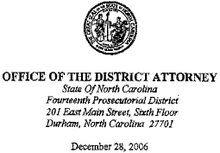
106. Nifong initially responded to the Grievance Committee in a letter dated December 28, 2006, and supplemented his initial response, at the request of State Bar counsel, in a letter dated January 16, 2007.
107. In his responses to the Grievance Committee, Nifong: (a) acknowledged that he had discussed with Dr. Meehan during meetings in April and May 2006 the results of all DSI's testing, including the existence of DNA from multiple unidentified males on the rape kit items; (b) denied that he had agreed with Dr. Meehan to exclude the potentially exculpatory DNA test results from DSI's report; (c) stated that he viewed the evidence of DNA from multiple unidentified males on the rape kit items as "non-inculpatory" rather than as "specifically exculpatory"; and (d) represented that the discussion and agreement with Dr. Meehan to limit the information in DSI's report was based on privacy concerns about releasing the names and DNA profiles of the lacrosse players and others providing known reference specimens.
108. DSI's written report listed DNA profiles for Ms. Mangum, Ms. Mangum's boyfriend, and David Evans and Kevin Coleman, two lacrosse players who had not been indicted at the time the report was released, and listed the names of all 50 persons who had contributed reference DNA specimens for comparison.
109. Nifong further represented in his responses to the Grievance Committee that he did not realize that the existence of DNA from multiple unidentified males on the rape kit items was not included in DS1's report when he provided it to the Duke Defendants or thereafter, until he received defense counsel's December 13 motion to compel.
110. Nifong's representation to the Grievance Committee that he did not realize that the existence of DNA from multiple unidentified males on the rape kit items was not included in DSI's report from May 12 until he received the December 13 motion to compel was a false statement of material fact made in connection with a disciplinary matter, and was made knowingly.
111. Nifong also represented in his responses to the Grievance Committee that, by stating to the Court at the beginning of the December 15 hearing that the motion was the "first [he] heard of this particular situation," he was referring not to the existence of DNA from multiple unidentified males on the rape kit items but to the Duke Defendants' purported allegation that he nad made an intentional attempt to conceal such evidence from them.
112. Counsel for the Duke Defendants did not allege any intentional attempt by Nifong to conceal the DNA evidence from them in either their December 13 motion to compel or their remarks to the Court prior to Nifong's statement.
113. Nifong's responses to the Grievance Committee set forth in paragraph 111 concerning his representations to the Court at the December 15, 2006, hearing were false statements of material fact made in connection with a disciplinary matter, and were made knowingly.
114. Nifong was required by statute and by court order to disclose to the Duke Defendants that tests had been performed which revealed the existence of DNA from multiple unidentified males on the rape kit items.
115. Nifong knew or reasonably should have known that his statements to representatives of the news media set forth in paragraphs 17-35, 37-42, 49-50, 61-62, and 76 above would be disseminated by means of public communication.
116. Nifong knew or reasonably should have known that his statements to representatives of the news media set forth in paragraphs 17-35, 37-42, 49-50, 61-62, and 76 above had a substantial likelihood of prejudicing the criminal adjudicative proceeding.
117. Nifong knew or reasonably should have known that his statements to representatives of the news media set forth in paragraphs 17-35, 37-42, 49-50, 61-62, and 76 above had a substantial likelihood of heightening public condemnation of the accused.
Based upon the preceding FINDINGS OF FACT, the Hearing Committee makes the following
CONCLUSIONS OF LAW
(a) By making statements to representatives of the news media including but not limited to those set forth in paragraphs 17-35, 37�42, 49-50, 61-62, and 76, Nifong made extrajudicial statements he knew or reasonably should have known would be disseminated by means of public communication and would have a substantial likelihood of materially prejudicing an adjudicative proceeding in the matter, in violation of Rule 3.6(a), and made extrajudicial statements that had a substantial likelihood of heightening public condemnation of the accused, in violation of Rule 3.8(f) of the Revised Rules of Professional Conduct.
(b) By not providing to the Duke Defendants prior to November 16, 2006, a complete report setting forth the results of all tests and examinations conducted by DSI, including the existence of DNA from multiple unidentified males on the rape kit items and including written or recorded memorializations of Dr. Meehan's oral statements, Nifong:
i. did not make timely disclosure to the defense of all evidence or information known to him that tended to negate the guilt of the accused, in violation of former Rule 3.8(d) of the Revised Rules of Professional Conduct; and
ii. failed to make a reasonably diligent effort to comply with a legally proper discovery request, in violation of former Rule 14(d) of the Revised Rules of Professional Conduct;
(c) By never providing the Duke Defendants on or after November 16, 2006, and prior to his recusal on January 12, 2007, a report setting forth the results of all tests or examinations conducted by DSI, including the existence of DNA from multiple unidentified males on the rape kit items and including written or recorded memorializations of Dr. Meehan's oral statements, Nifong:
i. did not, after a reasonably diligent inquiry, make timely disclosure to the defense of all evidence or information required to be disclosed by applicable law, rules of procedure, or court opinions, including all evidence or information known to him that tended to negate the guilt of the accused, in violation of current Rule 3.8(d) of the Revised Rules of Professional Conduct; and
ii. failed to disclose evidence or information that he knew, or reasonably should have known, was subject to disclosure under applicable law, rules of procedure or evidence, or court opinions, in violation of current Rule 3.4(d)(3) of the Revised Rules of Professional Conduct.
(d) By falsely representing to the Court and to counsel for the Duke Defendants that he had provided all discoverable material in his possession and that the substance of all Dr. Meehan's oral statements to him concerning the results of all examinations and tests conducted by DSI were included in DST's written report, Nifong made false statements of material fact or law to a tribunal in violation of Rule 3.3(a)(1), made false statements of material fact to a third person in the course of representing a client in violation of Rule 4.1, and engaged in conduct involving dishonesty, fraud, deceit or misrepresentation in violation of Rule 8.4(c) of the Revised Rules of Professional Conduct.
(e) By representing or implying to the Court that he was not aware of the existence on rape kit items of DNA from multiple unidentified males who were not members of the lacrosse team and/or that he was not aware of the exclusion of that evidence from. DSI's written report at the beginning of the December 15, 2006, hearing, Nifong made false statements of material fact or law to a tribunal in violation of Rule 3.3(a)(1) and engaged in conduct involving dishonesty, fraud, deceit or misrepresentation in violation of Rule 8.4(c) of the Revised Rules of Professional Conduct.
(f) By falsely representing to the Grievance Committee of the State Bar that:
(i) he did not realize that the test results revealing the presence of DNA from multiple unidentified males on the rape kit items were not included in DSI's report when he provided it to the Duke Defendants or thereafter, and
(ii) his statements to the Court at the beginning of the December 15 hearing referred not to the existence of DNA from multiple unidentified males on the rape kit items but to the Duke Defendants' purported allegation that he had engaged in an intentional attempt to conceal such evidence,
Nifong made knowingly false statements of material fact in connection with a disciplinary matter in violation of Rule 8.1 (a), and engaged in conduct involving dishonesty, fraud, deceit or misrepresentation in violation of Rule 8.4(c) of the Revised Rules of Professional Conduct.
(g) Each of the violations set forth above separately, and the pattern of conduct revealed when they are viewed together, constitutes conduct prejudicial to the administration of justice in violation of Rule 8.4(d) of the Revised Rules of Professional Conduct.
Based upon the foregoing findings of fact and conclusions of law, the fearing Committee makes by clear, cogent, and convincing evidence, the following additional
FINDINGS OF FACT REGARDING DISCIPLINE
1. Nifong's misconduct is aggravated by the following factors:
a. dishonest or selfish motive;
b. a pattern of misconduct;
c. multiple offenses;
d, refusal to acknowledge wrongful nature of conduct in connection with his handling of the DNA evidence;
e. vulnerability of the victims, Collin Finnerty, Reade Seligman and David Evans; and
f. substantial experience in the practice of law.
2. Nifong's misconduct is mitigated by the following factors:
a. absence of a prior disciplinary record; and
b. good reputation.
3 The aggravating factors outweigh the mitigating factors.
4. Nifong's misconduct resulted in significant actual harm to Reade Seligman, Collin Finnerty, and David Evans and their families. Defendant's conduct was, at least, a major contributing factor in the exceptionally intense national and local media coverage the Duke Lacrosse case received and in the public condemnation heaped upon the Duke Defendants. As a result of Nifong's misconduct, these young men experienced heightened public scorn and loss of privacy while facing very serious criminal charges of which the Attorney General of North Carolina ultimately concluded they were innocent.
5. Nifong's misconduct resulted in significant actual harm to the legal profession. Nifong's conduct has created a perception among the public within and outside North Carolina that lawyers in general and prosecutors in particular cannot be trusted and can be expected to lie to the court and to opposing counsel. Nifong's dishonesty to the court and to his opposing counsel, fellow attorneys, harmed the profession. Attorneys have a duty to communicate honestly with the court and with each other. When attorneys do not do so, they engender distrust among fellow lawyers and from the public, thereby harming the profession as a whole.
6. Nifong's misconduct resulted in prejudice to and significant actual harm to the justice system. Nifong has caused a perception among the public within and outside North Carolina that there is a systemic problem in the North Carolina justice system and that a criminal defendant can only get justice if he or she can afford to hire an expensive lawyer with unlimited resources to figure out what is being withheld by the prosecutor.
7. Nifong's false statements to the Grievance Committee of the North Carolina State Bar interfered with the State Bar's ability to regulate attorneys and therefore undermined the privilege of lawyers in this State to remain self-regulating.
8. This Hearing Committee has considered all alternatives and finds that no discipline other than disbarment will adequately protect the public, the judicial system and the profession, given the clear demonstration of dishonest conduct, multiple violations, the pattern of dishonesty established by the evidence, and Nifong's failure to recognize or acknowledge the wrongfulness of his conduct with regard to withholding of the DNA evidence and making false representations to opposing counsel and to the Court. Furthermore, entry of an order imposing discipline less than disbarment would fail to acknowledge the seriousness of the offenses committed by Nifong and would send the wrong message to attorneys regarding the conduct expected of members of the Bar in this State.
Based upon the foregoing findings of fact, conclusions of law and additional findings of fact regarding discipline, the Hearing Committee hereby enters the following
ORDER OF DISCIPLINE
1. Michael B. Nifong is hereby DISBARRED from the practice of law.
2. Nifong shall surrender his law license and membership card to the Secretary of the State Bar no later than 30 days from service of this order upon him.
3. Nifong shall pay the costs of this proceeding as assessed by the Secretary of the N.C. State Bar, including DHC costs and including costs of the transcription and depositions taken in this case as follows: court reporter costs; videographer and videotaping costs; transcription costs; shipping, handling, and transmittal costs; and witness costs. Defendant must pay the costs within 90 days of service upon him of the statement of costs by the Secretary.
4. Nifong shall comply with all provisions of 27 NCAC 1B .0124 of the North Carolina State Bar Discipline & Disability Rules ("Discipline Rules").
Signed by the Chair with the consent of the other hearing committee members, this the 10th day of July, 2007.
F.Line Williamson
Chair, Disciplinary Hearing Committee